

Article Summary
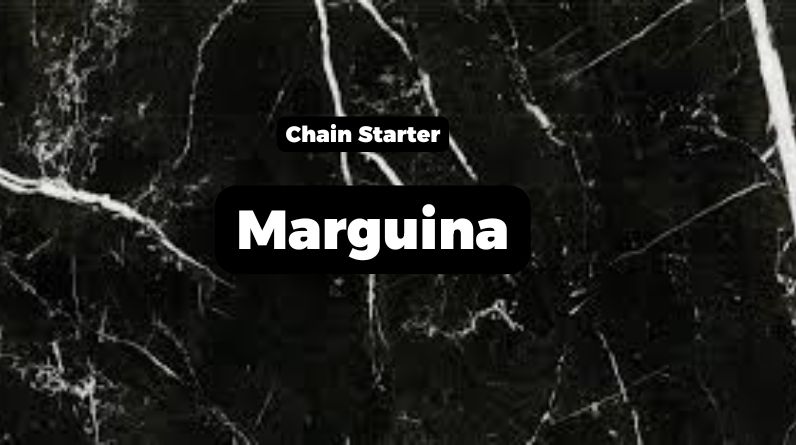
- Marguina refers to a premium black marble known for its dramatic white veining and timeless elegance.
- Widely used in luxury interiors, including flooring, countertops, bathrooms, and statement furniture.
- Available in natural marble as well as engineered alternatives for improved durability.
- Highly valued for its visual impact, but requires proper care due to its porous nature.
- Increasingly popular in modern design for creating bold contrast and architectural focal points.
- Best suited for indoor applications where aesthetics and long-term value matter.
What is Marguina?
Marguina is a high-end decorative stone most commonly associated with a deep black surface accented by irregular white veins. Known for its striking contrast and natural movement, it is widely used in interior architecture and premium design projects where visual impact is essential.
This material belongs to the marble category, meaning it is a natural metamorphic stone formed under heat and pressure over millions of years. Each slab has a unique veining pattern, making every installation one of a kind. Because of its bold appearance, Marguina is often chosen for statement surfaces rather than subtle background elements.
Today, the term Marguina may also refer to engineered versions such as porcelain, quartz, or sintered stone that replicate the classic black-and-white aesthetic while offering improved resistance to wear, stains, and moisture.
Why Marguina is a Designer Favorite
High Visual Impact
The dramatic contrast between the black base and white veins creates a sophisticated, architectural look. It works particularly well in modern, minimalist, and luxury interiors where strong visual definition is desired.
Timeless Appeal
Black marble has been used in architecture for centuries. Marguina continues that legacy by blending classic elegance with contemporary design trends, making it a long-term investment rather than a short-lived style choice.
Versatility Across Design Styles
Although often associated with modern spaces, Marguina also complements industrial, classic, and transitional interiors. It pairs beautifully with metals, wood, glass, and neutral color palettes.
Common Applications of Marguina
Flooring and Wall Cladding
Large-format tiles create seamless, dramatic surfaces in living areas, hotel lobbies, and commercial spaces. Bookmatched installations, where veining patterns mirror each other, are especially popular for feature walls.
Kitchen Countertops and Islands
Marguina is frequently used for statement kitchen islands or backsplashes. The dark surface hides minor visual wear while adding a premium, designer look.
Bathrooms and Vanity Areas
From vanity tops to shower walls and sinks, the material brings a spa-like luxury feel. Its bold contrast works well with white fixtures and minimalist lighting.
Furniture and Decorative Elements
Designers often use Marguina for coffee tables, dining surfaces, shelving, columns, and sculptural pieces to add weight and elegance to a space.
Natural Marble vs. Engineered Marguina
| Feature | Natural Marble | Engineered Alternatives |
|---|---|---|
| Appearance | Unique, natural veining | Consistent patterns |
| Maintenance | Requires sealing and careful cleaning | Low maintenance |
| Durability | Moderate, prone to staining and scratching | High resistance to wear and moisture |
| Cost | Premium | Moderate to premium |
Choosing between the two depends on lifestyle needs. Natural stone offers authenticity and uniqueness, while engineered options provide practicality for high-traffic environments.
Installation Considerations
Slab Selection Matters
Because veining varies, reviewing full slabs before installation ensures visual consistency and alignment with the design vision.
Professional Edge Finishing
Edge profiles for countertops or feature panels should be discussed with fabricators in advance, as tooling and techniques affect the final look.
Surface Finish Options
- Polished: High-gloss, reflective finish for luxury spaces
- Honed: Matte, modern appearance with less glare
- Textured or tumbled: Suitable for decorative or mosaic applications
Maintenance and Care Guide
As a natural stone, Marguina requires thoughtful care to maintain its appearance.
Daily Cleaning
- Use a soft cloth with mild soap and water
- Avoid acidic or abrasive cleaners
- Dry surfaces after cleaning to prevent water marks
Sealing
Periodic sealing helps reduce absorption and protects against staining, especially for countertops and bathroom installations.
Stain Prevention
Spills from oils, cosmetics, or colored liquids should be wiped immediately to prevent discoloration.
Design Strategies for Using Marguina
Create a Focal Point
Instead of covering entire rooms, use the material for a single feature wall, island, or statement surface to maximize impact without overwhelming the space.
Balance with Light Elements
Pairing Marguina with white cabinetry, light flooring, or warm wood tones creates visual balance and prevents the space from feeling too dark.
Use Lighting to Enhance Veining
Directional lighting highlights the natural patterns and depth of the stone, enhancing its architectural presence.
Common Misconceptions About Marguina
“It’s Too Delicate for Everyday Use”
With proper sealing and maintenance, natural marble performs well in residential settings. Engineered versions offer additional durability for busy households.
“Dark Stone Makes Spaces Feel Smaller”
When used strategically and paired with adequate lighting, dark surfaces can actually add depth and sophistication rather than making a space feel cramped.
“All Black Marble Looks the Same”
Marguina is valued specifically for its bold, irregular veining, which distinguishes it from uniform black stones.
When Marguina is the Right Choice
- You want a luxury, high-contrast design feature
- The project is ensure long-term aesthetic value
- The installation is primarily indoors
- You are willing to follow basic maintenance practices
Practical Buying Tips
- View full slabs instead of small samples whenever possible
- Confirm thickness and finish based on application
- Ask about sealing requirements before installation
- Consider engineered versions for kitchens or high-use areas
- Plan veining direction to match the design layout
FAQs About Marguina
Is Marguina suitable for outdoor use?
Natural marble is generally better suited for indoor environments. Exposure to weather can lead to surface wear and discoloration over time.
How often should it be sealed?
Sealing frequency depends on usage, but most indoor surfaces benefit from sealing every 6 to 12 months.
Does it scratch easily?
Marble is softer than granite or engineered stone, so using cutting boards and protective pads is recommended.
Can engineered Marguina look realistic?
Modern manufacturing techniques create highly realistic veining patterns that closely resemble natural marble while offering improved durability.
Final Takeaway
Marguina stands out as one of the most visually striking materials available for interior design. Whether chosen in natural marble form for authenticity or as an engineered surface for practicality, it delivers timeless elegance and architectural impact. When properly selected, installed, and maintained, it transforms everyday spaces into refined, high-end environments.